
- Your cart is empty
- Continue Shopping

Produto

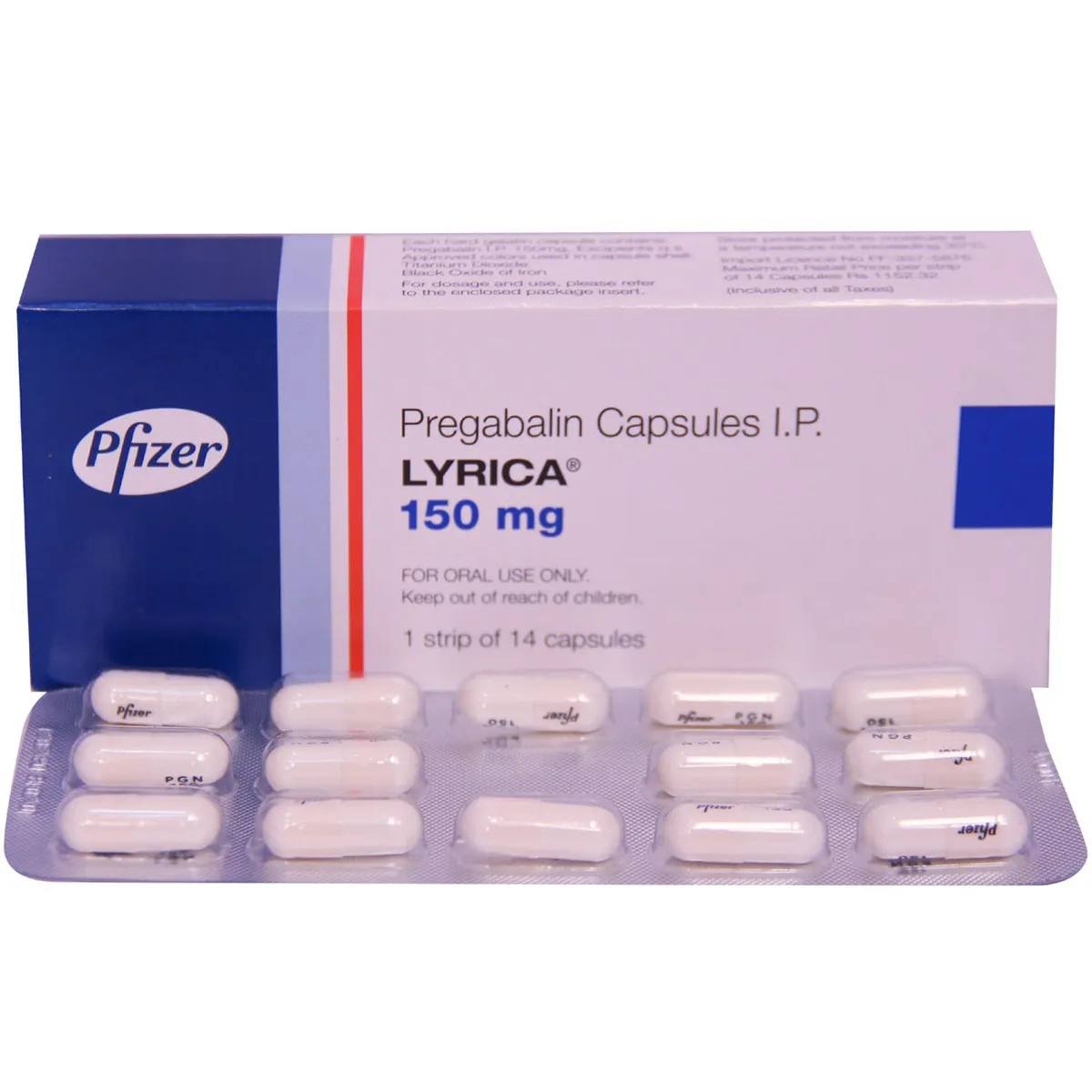
Lyrica 150mg Capsules
Lyrica 150mg Capsules
€200
Adicionar ao carrinho
Mehr lesen
Lyrica 150mg Capsules
Lyrica 150mg Capsules are an oral gabapentinoid anticonvulsant and neuropathic analgesic formulation containing 150mg of pregabalin ((S)-3-(aminomethyl)-5-methylhexanoic acid). Classified as a Schedule V controlled substance in the United States and a prescription-only medication globally, Lyrica 150mg is indicated for the management of chronic neuropathic pain syndromes, fibromyalgia, and partial-onset seizures. Structurally analogous to the inhibitory neurotransmitter gamma-aminobutyric acid (GABA), pregabalin acts selectively on presynaptic voltage-gated calcium channels without binding directly to GABAA ou GABAB receptores.
Indicações clínicas primárias
-
Peripheral & Central Neuropathic Pain: Indicated for diabetic peripheral neuropathy (DPN), postherpetic neuralgia (PHN), and neuropathic pain secondary to spinal cord injury.
-
Fibromyalgia Management: Prescribed to reduce widespread musculoskeletal pain, hyperalgesia, and sleep disturbances associated with fibromyalgia syndrome.
-
Adjunctive Anticonvulsant Therapy: Utilized as an add-on therapy for partial-onset seizures in adults and pediatric patients aged 1 month and older.
-
Transtorno de Ansiedade Generalizada (TAG): Approved in European and international jurisdictions for the acute and maintenance treatment of GAD in adults.
Mecanismo de ação farmacológica
Lyrica 150mg attenuates neuronal hyperexcitability and ectopic nociceptive firing by modulating presynaptic calcium influx across the central nervous system:
$$\text{Pregabalin} + \alpha_2\delta\text{-1 Subunit (VGCC)} \longrightarrow \downarrow \text{Presynaptic Ca}^{2+}\text{ Influx} \longrightarrow \downarrow \text{Excitatory Neurotransmitter Release}$$
-
High-Affinity $\alpha_2\delta$ Subunit Binding: Binds potently and selectively to the auxiliary $\alpha_2\delta$-1 and $\alpha_2\delta$-2 subunits of voltage-gated calcium channels ($\text{VGCC}$) in hyperexcited presynaptic neurons.
-
Excitatory Neurotransmitter Reduction: Reduces depolarization-induced calcium influx at nerve terminals, suppressing the pathological release of pronociceptive and excitatory neurotransmitters, including glutamate, norepinephrine, and substance P.
-
Farmacocinética: Rapidly and linearly absorbed following oral ingestion (exceeding 90% absolute bioavailability, independent of dose), achieving peak plasma concentrations ($T_{\max}$) dentro de 1.5 hours under fasting conditions. Pregabalin undergoes negligible hepatic metabolism ($<2\%$), does not bind to plasma proteins, and is excreted virtually unchanged via renal filtration with a steady-state elimination half-life of 6.3 hours.
Vantagens clínicas versus desvantagens
Vantagens
-
Linear, Predictable Pharmacokinetics: Unlike gabapentin, pregabalin exhibits non-saturable gastrointestinal absorption via L-amino acid transporters, yielding dose-proportional plasma exposure.
-
Zero Cytochrome P450 Drug Interactions: Because it is eliminated unchanged by the kidneys without hepatic metabolism, it avoids metabolic interference with $CYP450$ substrates.
-
Rapid Analgesic & Anxiolytic Onset: Frequently delivers measurable reductions in neuropathic pain scores and somatic anxiety within the first week of titration.
Desvantagens
-
Dose-Dependent CNS & Peripheral Side Effects: The 150mg maintenance strength frequently induces somnolence, dizziness, peripheral edema, and weight gain.
-
Physical Dependence & Withdrawal Symptoms: Abrupt discontinuation triggers insomnia, nausea, headache, anxiety, hyperhidrosis, and rebound seizures; gradual tapering over at least 1 week is mandatory.
-
Misuse & Potentiation Liability: Carries recognized potential for non-medical misuse and dangerous respiratory depression when combined with opioids or alcohol.
Perfil de efeitos colaterais e avisos de segurança
| Categoria de gravidade | Manifestações Clínicas Comuns |
| Comum/Leve | Dizziness, somnolence (drowsiness), dry mouth, peripheral edema (swelling of extremities), blurred vision, weight gain, and difficulty concentrating. |
| Grave/Adverso | Life-threatening respiratory depression (especially with CNS depressants), angioedema (facial/laryngeal swelling), rhabdomyolysis, thrombocytopenia, and suicidal ideation. |
| Avisos críticos | Respiratory Depression & Angioedema Hazard: Serious, life-threatening, or fatal respiratory depression may occur when co-administered with opioids, benzodiazepines, or other CNS depressants, or in patients with underlying respiratory impairment (e.g., COPD). Discontinue immediately if angioedema occurs. Like all antiepileptic drugs, pregabalin increases the risk of suicidal thoughts or behaviors; monitor patients closely for mood changes. Mandatory renal dose adjustments are required in patients with creatinine clearance (CrCl) below $60\text{ mL/min}$. |
Produtos relacionados
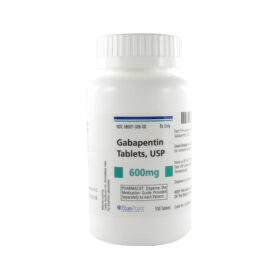
Gabapentina 600mg
Price range: €60 through €180
Selecione as opções
Este produto possui diversas variantes. As opções podem ser selecionadas na página do produto.
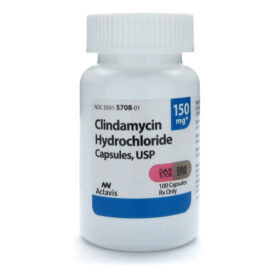
Clindamicina 150 mg
Price range: €45 through €260
Selecione as opções
Este produto possui diversas variantes. As opções podem ser selecionadas na página do produto.
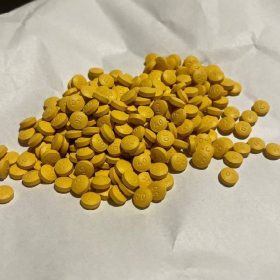
Oxycontin 40mg
Price range: €200 through €580
Selecione as opções
Este produto possui diversas variantes. As opções podem ser selecionadas na página do produto.
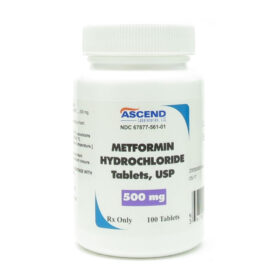
Metformina 500mg
€1,500
Selecione as opções
Este produto possui diversas variantes. As opções podem ser selecionadas na página do produto.
 English
 German
 Dutch
 Polish
 Portuguese
Avaliações
Ainda não há avaliações.