
- Your cart is empty
- Continue Shopping

Product

Ativan 1mg
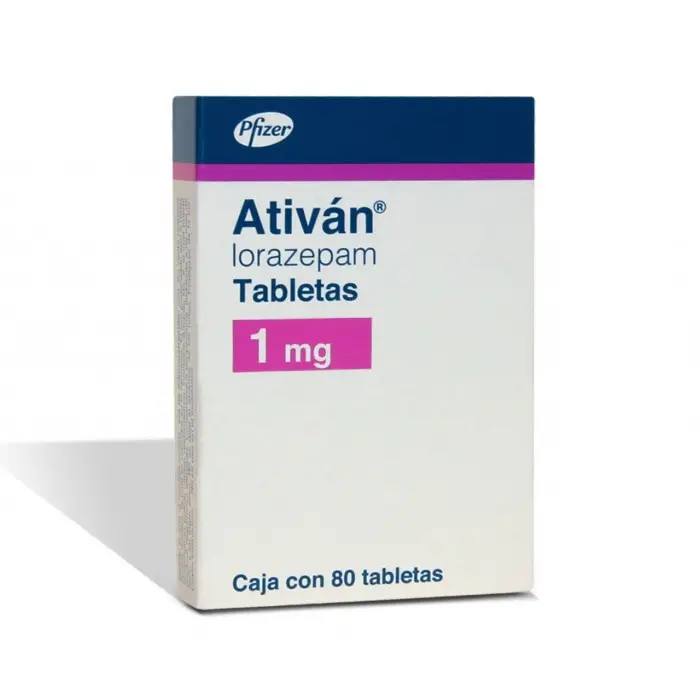
Ativan 1mg
€125
Add to cart
Buy Now
Ativan 1mg
Ativan 1mg contains lorazepam, which enhances the effects of the neurotransmitter GABA in the brain. This produces calming, anxiolytic (anti-anxiety), sedative, and muscle-relaxant effects. It is classified as a Schedule IV controlled substance in the United States due to its potential for dependence and misuse.
Common Uses
- Management of anxiety disorders or short-term relief of anxiety symptoms (including anxiety associated with depression).
- Short-term treatment of insomnia related to anxiety or situational stress.
- Preoperative sedation, anxiety reduction, and amnesia before procedures.
- Other uses under medical supervision may include certain seizure situations (typically injectable form) or acute alcohol withdrawal support.
It is generally intended for short-term use. Long-term efficacy beyond about 4 months has not been well established in clinical studies, and prolonged use increases risks.
Typical Dosing Context for 1 mg
Adult anxiety dosing often starts around 2–3 mg per day in divided doses, with maintenance commonly in the 1–6 mg/day range (adjusted individually). A 1 mg tablet may be used as a single dose or as part of a divided daily regimen. Lower starting doses (e.g., 1–2 mg/day) are often recommended for older adults or those who are more sensitive. Exact dosing is determined by a physician based on the condition, age, response, and other factors. Never adjust or take it without medical direction.
Advantages
- Relatively rapid onset of calming effects for acute anxiety or situational distress.
- Available in precise tablet strengths that allow flexible dosing under medical supervision.
- Can provide effective short-term symptom relief while other longer-term treatments (such as therapy or other medications) take effect.
- Useful in specific clinical settings like preoperative preparation.
Disadvantages and Risks
- Significant potential for physical dependence, tolerance, and withdrawal symptoms (which can be severe or life-threatening if stopped abruptly after regular use).
- Sedation and impairment that can affect coordination, judgment, memory, and the ability to drive or operate machinery.
- Dangerous interactions, especially with opioids, alcohol, or other central nervous system depressants — these combinations can cause profound sedation, respiratory depression, coma, or death.
- Not ideal for long-term daily use; guidelines generally favor the lowest effective dose for the shortest duration.
- Possible paradoxical reactions (increased anxiety, agitation, or aggression), particularly in some individuals, children, or older adults.
- Risk of misuse and addiction.
Side Effects
Common side effects include:
- Drowsiness / sleepiness
- Dizziness or lightheadedness
- Weakness or unsteadiness
- Fatigue
Other possible effects: headache, confusion, memory problems, blurred vision, dry mouth, changes in appetite, nausea, or coordination difficulties.
Related products
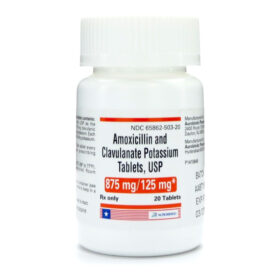
Amoxicillin 875mg/125mg
Price range: €25 through €45
Select options
This product has multiple variants. The options may be chosen on the product page
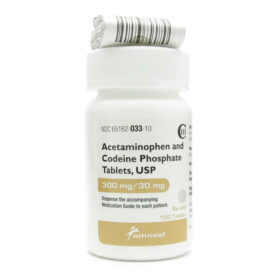
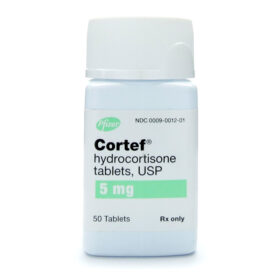
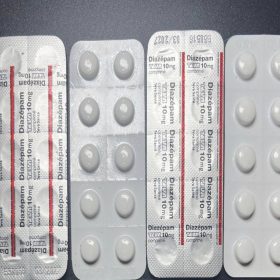
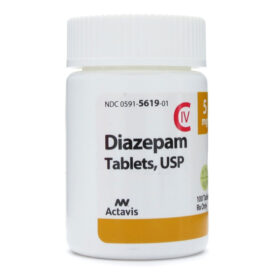
Diazepam 10mg Tablets
Price range: €95 through €600
Select options
This product has multiple variants. The options may be chosen on the product page
 English
 German
 Dutch
 Polish
 Portuguese
Reviews
There are no reviews yet.