
- Your cart is empty
- Continue Shopping

Product

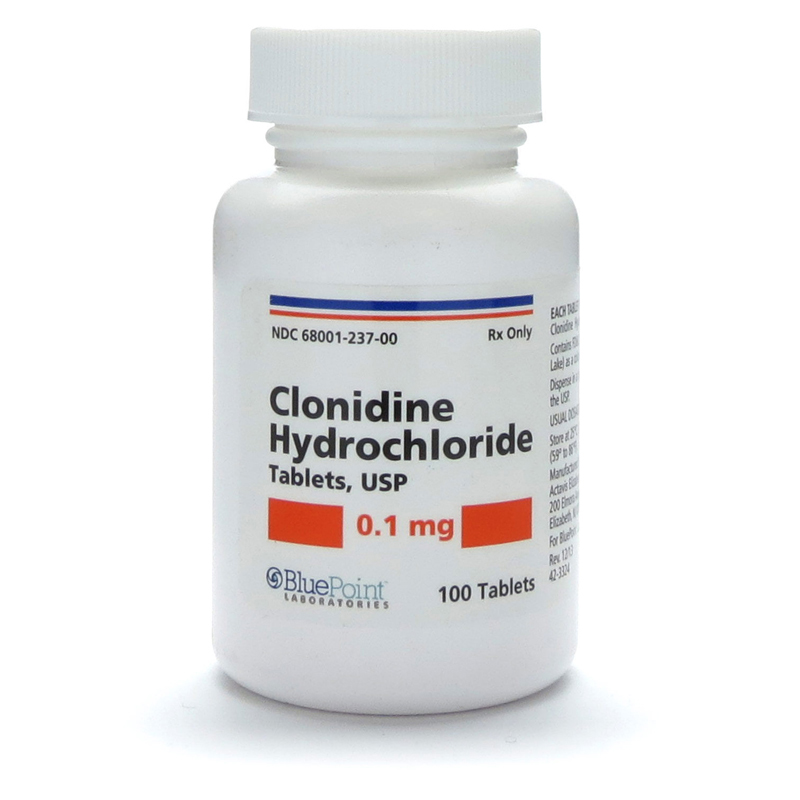
Clonidine Hydrochloride
Clonidine Hydrochloride
€200
Add to cart
Buy Now
Clonidine Hydrochloride
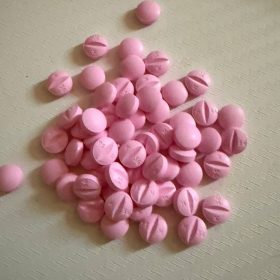
Clonidine Hydrochloride (commonly known by brand names such as Catapres and Kapvay) is a central alpha-2 adrenergic receptor agonist. Regulated as a prescription-only medication, Clonidine is available in immediate-release and extended-release oral tablet formulations, as well as transdermal patches. It is indicated for the clinical management of hypertension and Attention Deficit Hyperactivity Disorder (ADHD), along with various off-label psychiatric and pain management applications.
Primary Clinical Indications
-
Essential & Secondary Hypertension: Indicated for lowering blood pressure in adults, used either as monotherapy or in combination with other antihypertensive agents (e.g., diuretics).
-
ADHD Management: Extended-release formulations (e.g., Kapvay) are prescribed for children and adolescents aged 6 to 17 as monotherapy or adjunctive therapy to stimulant medications.
-
Off-Label & Specialty Applications: Utilized in clinical settings for opioid withdrawal symptom attenuation, severe cancer pain management (via epidural route), Tourette syndrome, and hot flashes.
Central Mechanism of Action: Alpha-2 Adrenergic Agonism
Clonidine acts centrally within the brainstem to downregulate sympathetic nervous system outflow:
$$\text{Clonidine} + \text{Central Pre-synaptic }\alpha_2\text{-Receptors} \longrightarrow \downarrow \text{Norepinephrine Release} \longrightarrow \downarrow \text{Sympathetic Tone}$$
-
Central Sympatholytic Action: Stimulates pre-synaptic $\alpha_2$-adrenergic receptors in the nucleus tractus solitarii of the brainstem, inhibiting the release of norepinephrine.
-
Hemodynamic Effects: Decreases peripheral vascular resistance, renal vascular resistance, heart rate, and blood pressure without compromising normal reflex pathways.
-
Pharmacokinetics: Well-absorbed from the gastrointestinal tract, reaching peak plasma concentration ($T_{\max}$) within 3 to 5 hours for immediate-release tablets. It exhibits an elimination half-life of 12 to 16 hours, with renal excretion accounting for the majority of clearance.
Dosing and Administration Guidelines
| Clinical Parameter | Standard Clinical Dosing Protocol |
| Hypertension (Adults) | 0.1mg orally twice daily (morning and bedtime); titrate by 0.1mg daily at weekly intervals (typical target: 0.2mg to 0.6mg daily). |
| ADHD (Pediatric 6–17) | 0.1mg extended-release at bedtime; titrate by 0.1mg/day weekly up to a maximum of 0.4mg daily in divided doses. |
| Administration Protocol | Do not crush or chew extended-release formulations. Take the larger portion of divided daily doses at bedtime to minimize daytime sedation. |
Critical Safety Warnings and Clinical Precautions
-
Rebound Hypertension Warning: Abrupt discontinuation can cause rapid, life-threatening elevations in blood pressure, tachycardia, nervousness, and tremor. Taper gradually over 2 to 4 days when discontinuing therapy.
-
CNS Depression & Sedation: Frequently induces severe drowsiness, fatigue, and dry mouth. Alcohol and other central nervous system depressants enhance these sedative effects.
-
Cardiovascular Risks: May cause bradycardia, sinus node dysfunction, and atrioventricular (AV) block. Monitor heart rate and blood pressure regularly during dose adjustments.
Related products
Gabapentin 600mg
Price range: €60 through €180
Select options
This product has multiple variants. The options may be chosen on the product page
Butalbital Acetaminophen
Price range: €30 through €90
Select options
This product has multiple variants. The options may be chosen on the product page
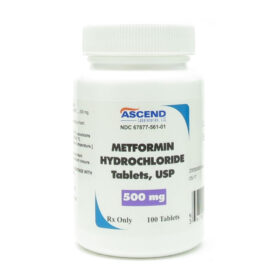
Metformin 500mg Tablets
Price range: €150 through €500
Select options
This product has multiple variants. The options may be chosen on the product page
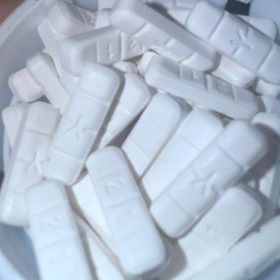
Y21 Xanax
Price range: €80 through €300
Select options
This product has multiple variants. The options may be chosen on the product page
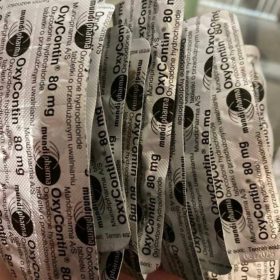
Oxycontin 80mg
Price range: €250 through €730
Select options
This product has multiple variants. The options may be chosen on the product page
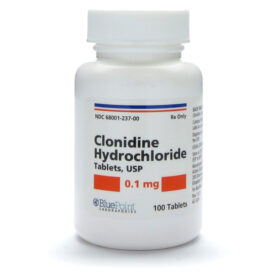
Clonidine Hydrochloride 0.1mg
Price range: €90 through €360
Select options
This product has multiple variants. The options may be chosen on the product page
 English
 German
 Dutch
 Polish
 Portuguese
Reviews
There are no reviews yet.