
- Your cart is empty
- Continue Shopping

Product

Fluconazole 200mg Tablets
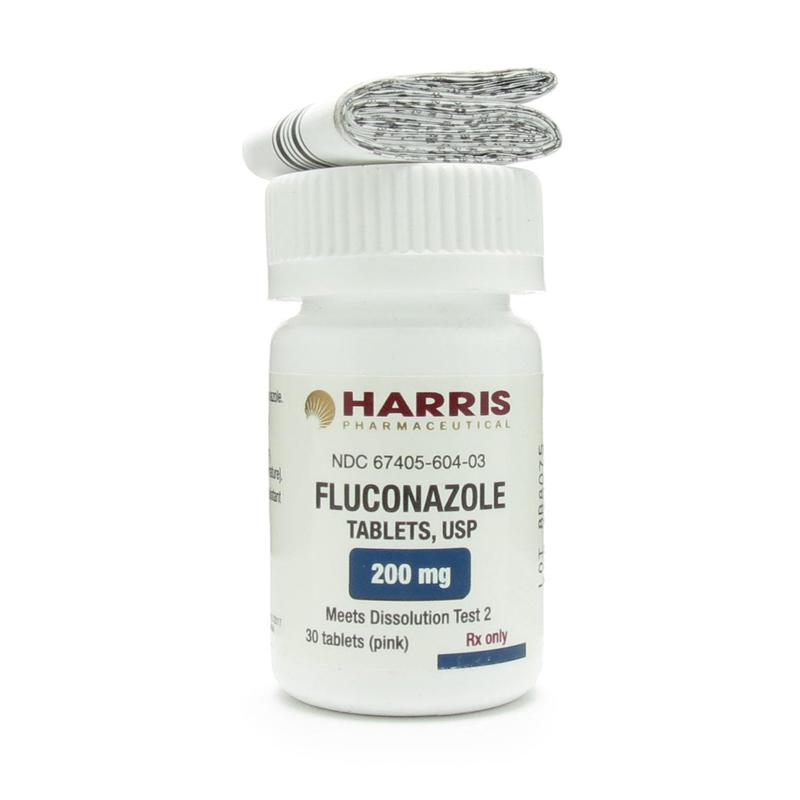
Fluconazole 200mg Tablets
€45
Add to cart
Buy Now
Fluconazole 200mg Tablets
Fluconazole 200mg Tablets (commonly known by brand names such as Diflucan) is a synthetic triazole antifungal agent administered orally for systemic and localized fungal infections. Classified as a prescription-only antimicrobial medication, the 200mg tablet strength serves as a standard high-potency dose for managing invasive candidiasis, severe mucosal yeast infections, and systemic fungal diseases caused by susceptible Candida and Cryptococcus species.
Primary Clinical Indications
-
Systemic Candidiasis: Indicated for severe bloodstream infections (candidemia), disseminated candidiasis, and deep organ candidal infections.
-
Oropharyngeal & Esophageal Candidiasis: Prescribed for severe or recurrent thrush and fungal esophagitis in immunocompromised patients (e.g., those with HIV/AIDS or undergoing chemotherapy).
-
Cryptococcal Meningitis: Used for acute treatment and long-term suppression of cryptococcal meningitis in immunocompromised individuals.
-
Prophylaxis in Immunocompromised Patients: Administered to prevent fungal infections in patients undergoing bone marrow transplants, chemotherapy, or immunosuppressive therapy.
Mechanism of Action: Inhibition of Fungal Ergosterol Synthesis
Fluconazole acts as a selective inhibitor of fungal cytochrome P450-dependent enzymes:
$$\text{Fluconazole} + \text{Lanosterol 14}\alpha\text{-Demethylase} \longrightarrow \downarrow \text{Ergosterol Synthesis} \longrightarrow \text{Disrupted Fungal Cell Membrane}$$
-
Enzymatic Inhibition: Binds directly to the fungal $14\alpha$-demethylase enzyme, preventing the conversion of lanosterol to ergosterol, an essential component of the fungal cell membrane.
-
Membrane Dysfunction: Depletion of ergosterol disrupts membrane fluidity, permeability, and integrity, accumulating toxic methylated sterols and inhibiting fungal cell growth (bacteriostatic/fungistatic effect).
-
Pharmacokinetics: Highly bioavailable ($>90\%$) via oral administration. It achieves peak plasma levels ($T_{\max}$) within 1 to 2 hours and exhibits a long elimination half-life of approximately 30 hours, enabling once-daily dosing.
Dosing and Administration Guidelines
| Clinical Parameter | Standard Clinical Dosing Protocol |
| Oropharyngeal Candidiasis | 200mg loading dose on Day 1, followed by 100mg to 200mg orally once daily for at least 14 days. |
| Esophageal Candidiasis | 200mg loading dose on Day 1, followed by 100mg to 200mg (up to 400mg) once daily for 14 to 21 days. |
| Cryptococcal Meningitis | 400mg loading dose on Day 1, followed by 200mg to 400mg once daily for 10 to 12 weeks after CSF clearance. |
| Renal Impairment Adjustment | Reduce dose by 50% in patients with creatinine clearance ($\text{CrCl}$) $< 50\,\text{mL/min}$. |
Critical Safety Warnings and Clinical Precautions
-
Hepatotoxicity Warning: Associated with rare but serious liver toxicity, ranging from elevated liver enzymes to fatal hepatic failure. Discontinue if signs of hepatitis develop.
-
QT Prolongation Risk: Can prolong the QTc interval, increasing the risk of severe ventricular arrhythmias (such as Torsades de Pointes), especially when combined with other QT-prolonging drugs.
-
Drug Interactions: Potent inhibitor of CYP2C9, CYP2C19, and CYP3A4 enzymes; significantly increases serum levels of warfarin, phenytoin, and oral hypoglycemics.
Related products
Amoxicillin 875mg/125mg
Price range: €25 through €45
Select options
This product has multiple variants. The options may be chosen on the product page
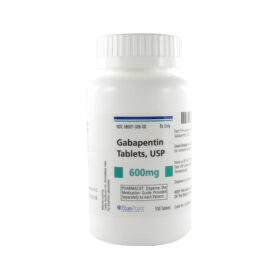
Gabapentin 600mg
Price range: €60 through €180
Select options
This product has multiple variants. The options may be chosen on the product page
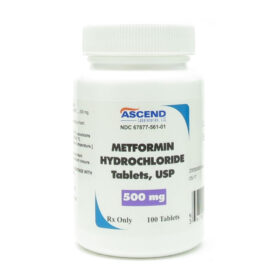
Metformin 500mg
€1,500
Select options
This product has multiple variants. The options may be chosen on the product page
 English
 German
 Dutch
 Polish
 Portuguese
Reviews
There are no reviews yet.