
- Your cart is empty
- Continue Shopping

Product

Ecstasy 300mg
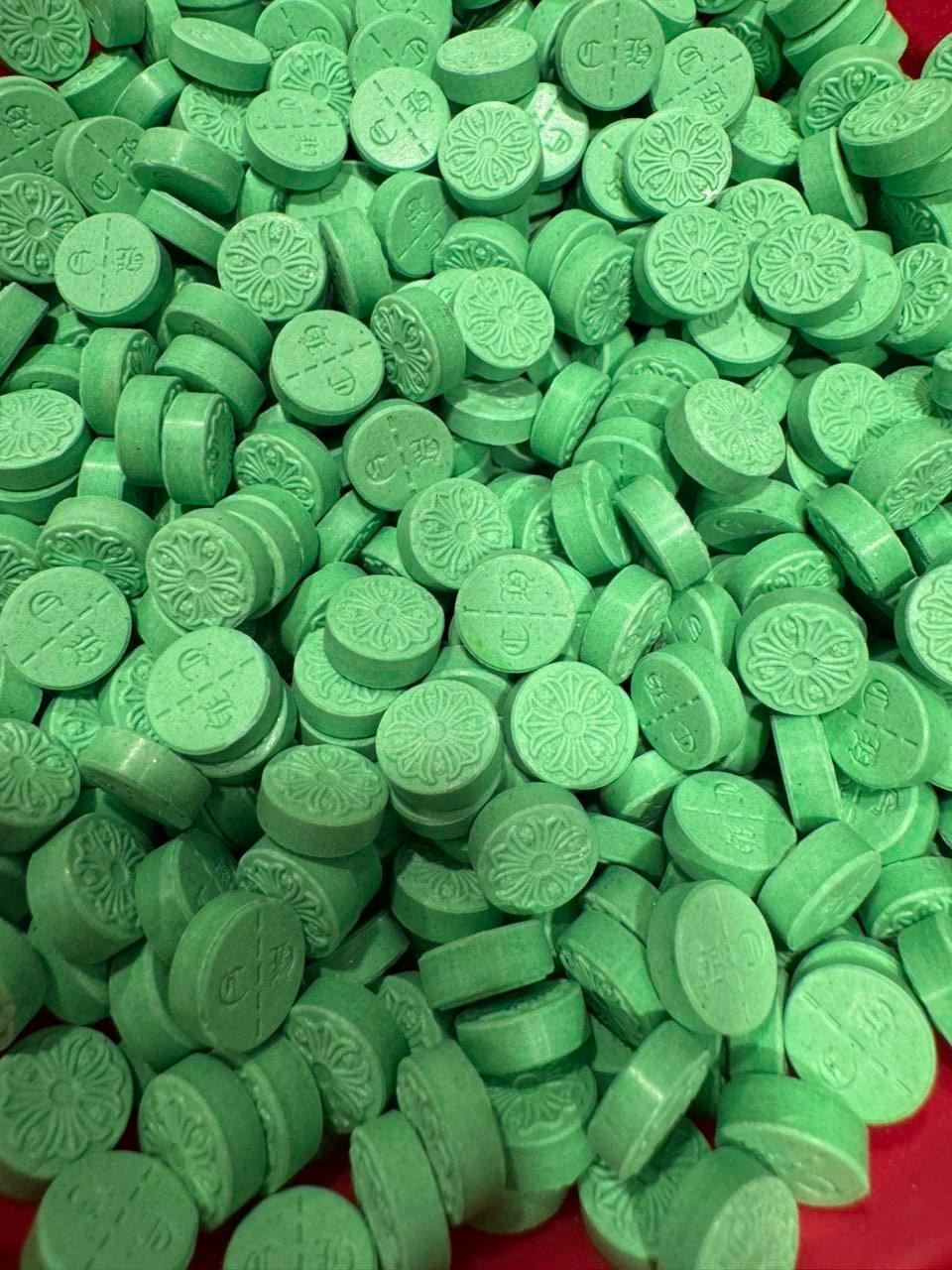
Ecstasy 300mg
Price range: €200 through €400
Quantity
Choose an option
Add to cart
Buy Now
Ecstasy 300mg
Ecstasy 300mg refers to an illicitly manufactured, high-dose synthetic tablet containing MDMA (3,4-methylenedioxymethamphetamine). Classified chemically as a substituted amphetamine and entactogen, MDMA acts as a powerful central nervous system stimulant. While historically investigated in early psychiatric research, MDMA has no accepted medical use in standard clinical practice and is classified globally as a Schedule I controlled substance. Street tablets marketed at “300mg” represent extremely high, potentially lethal dosages of the drug.
Primary Context & Illicit Market Characteristics
-
Recreational Status: Ecstasy (often pressed into branded tablets or colored crystals known as “molly”) is used illicitly for its euphoric, empathogenic, and stimulant effects in nightlife environments.
-
The “300mg” High-Dose Hazard: Standard therapeutic or recreational doses of MDMA typically range from 75mg to 125mg. A purported “300mg” single tablet contains up to three times a standard dose, exponentially increasing the risk of acute overdose and acute toxicity.
-
Adulteration and Impurities: Illicitly manufactured tablets frequently contain unknown binding agents, adulterants, or dangerously potent synthetic substitutes (such as cathinones or synthetic cannabinoids).
Mechanism of Action: Monoamine Transporter Reversal
MDMA produces profound psychological and physiological alterations by reversing the normal transport of key monoamine neurotransmitters:
$$\text{MDMA} + \text{Monoamine Transporters (DAT, SERT, NET)} \longrightarrow \text{Reverse Transport} \longrightarrow \ Massive \uparrow \text{Serotonin, Dopamine, \& Norepinephrine}$$
-
Transporter Reversal: MDMA enters presynaptic terminals via monoamine transporters—primarily the serotonin transporter (SERT), dopamine transporter (DAT), and norepinephrine transporter (NET)—and forces the transporters to work in reverse.
-
Neurotransmitter Efflux: This action causes a massive, acute flood of serotonin, dopamine, and norepinephrine into the synaptic cleft.
-
Receptor Overstimulation: The surge in extracellular neurotransmitters produces heightened sensory perception, emotional warmth, empathy, euphoria, and cardiovascular stimulation.
-
Pharmacokinetics: Rapidly absorbed orally, with peak plasma concentrations ($T_{\max}$) reached within 1.5 to 3 hours, and an elimination half-life ranging from 7 to 9 hours, prolonged further by self-inhibition of hepatic enzymes (CYP2D6).
Dosing and Toxicological Parameters
| Clinical Parameter | Toxicological Profile |
| Active Substance | MDMA (3,4-methylenedioxymethamphetamine) |
| Legal Classification | Schedule I Controlled Substance (High potential for abuse, no accepted medical use) |
| Overdose Threshold | Doses exceeding 200mg—especially at 300mg—frequently trigger acute hyperthermia, hypertensive crisis, and serotonin syndrome. |
Critical Safety Warnings and Clinical Hazards
-
Acute Hyperthermia and Malignant Hyperpyrexia: MDMA disrupts normal thermoregulation in the hypothalamus, which can lead to dangerously high body temperatures, multi-organ failure, rhabdomyolysis, and death, particularly in warm environments.
-
Serotonin Syndrome: Massive serotonin release combined with dehydration or physical exertion can trigger life-threatening serotonin syndrome, characterized by severe agitation, neuromuscular hyperreactivity, and autonomic instability.
-
Cardiovascular Collapse: Severe spikes in heart rate and blood pressure can precipitate acute myocardial infarction, cerebral hemorrhage, and cardiovascular collapse.
-
Neurotoxic Depletion: Post-use phases are characterized by severe depletion of central serotonin stores, often leading to profound depressive episodes, cognitive fatigue, and long-term neurotoxic damage to serotonergic axon terminals.
Additional Information
| Quantity | 50 Pills, 100 Pills |
|---|
Related products
Diazepam 10mg Tablets
Price range: €95 through €600
Select options
This product has multiple variants. The options may be chosen on the product page
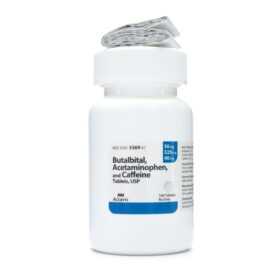
Butalbital Acetaminophen
Price range: €30 through €90
Select options
This product has multiple variants. The options may be chosen on the product page
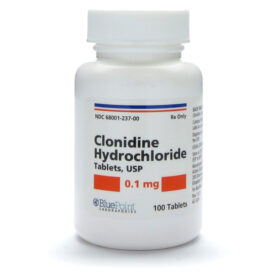
Clonidine Hydrochloride 0.1mg
Price range: €90 through €360
Select options
This product has multiple variants. The options may be chosen on the product page
 English
 German
 Dutch
 Polish
 Portuguese
Reviews
There are no reviews yet.