
- Your cart is empty
- Continue Shopping

Product

Dihydrocodeine 30mg
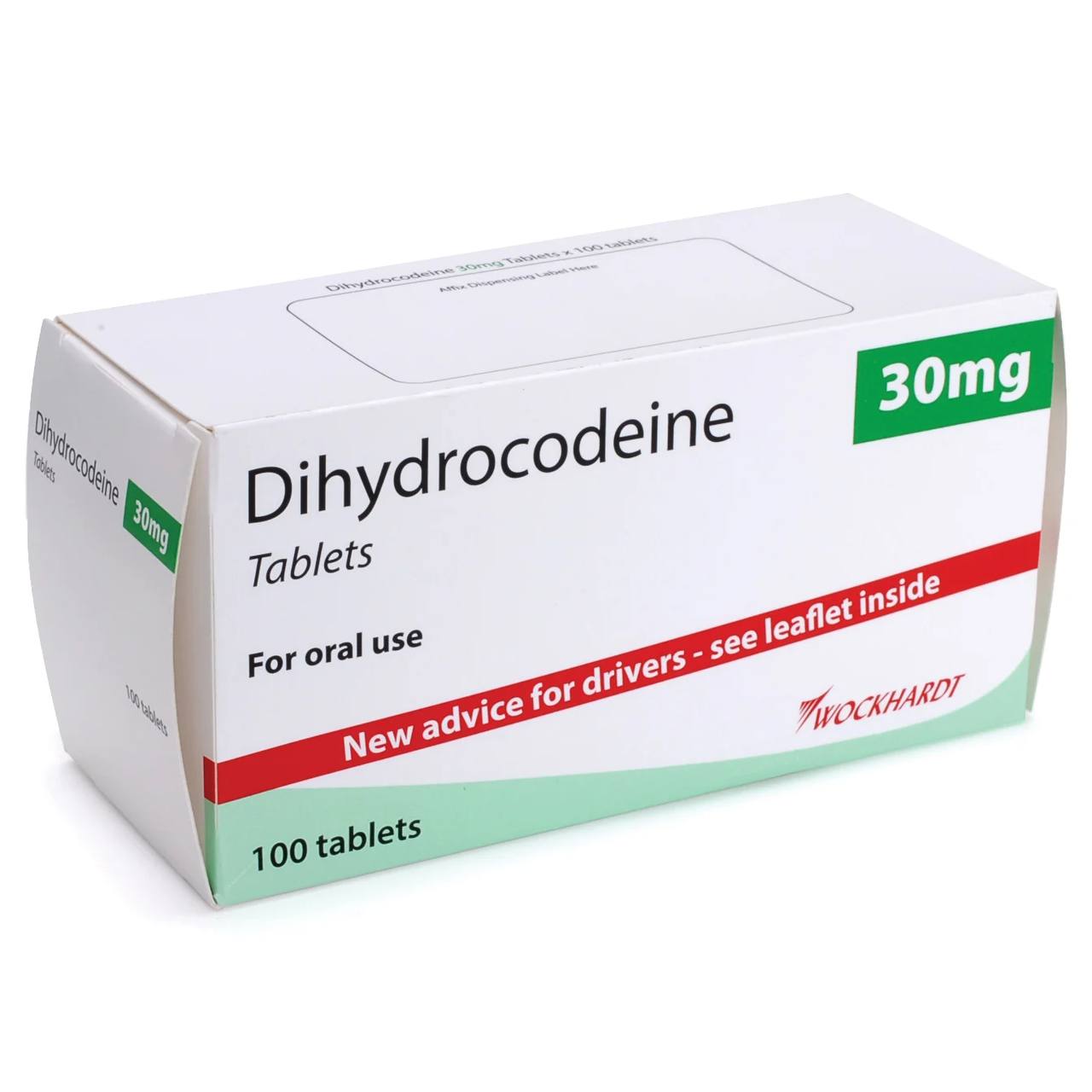
Dihydrocodeine 30mg
€150
Add to cart
Buy Now
Dihydrocodeine 30mg
Dihydrocodeine 30 mg is a common tablet strength of dihydrocodeine, an opioid analgesic related to codeine. It is used for the relief of moderate to severe pain.
What It Is and How It Works
Dihydrocodeine is a semi-synthetic opioid that acts primarily on mu-opioid receptors in the central nervous system to reduce the perception of pain. The 30 mg immediate-release tablet is one of the standard oral strengths available in many countries. It is a controlled substance due to its potential for dependence, tolerance, and misuse.
Common Uses
- Moderate to severe pain (for example, post-operative pain, injury-related pain, or certain chronic pain conditions when weaker analgesics are insufficient).
- In some formulations or regions, it may also be used for cough suppression, though pain relief is the primary indication for the 30 mg strength.
- It is generally intended for short-term use when possible; longer-term use requires careful medical monitoring.
Dosage Context
For adults, a typical dose of the 30 mg immediate-release tablet is one tablet every 4 to 6 hours as needed, with a common maximum of around 180 mg in 24 hours (six tablets), though exact limits and regimens are set by a doctor. Lower doses are often used in elderly patients or those with certain medical conditions. Modified-release versions exist at higher strengths for around-the-clock control. Dosing must be individualized and should only be determined by a healthcare professional.
Advantages
- Effective for moderate-to-severe pain that does not respond adequately to non-opioid analgesics (such as paracetamol or NSAIDs).
- Available in a convenient tablet form that can provide relatively predictable pain relief when used as directed.
- Can be useful in situations where an alert patient is preferred compared with stronger opioids, though sedation still occurs.
Disadvantages and Risks
- Significant potential for physical dependence, tolerance, and opioid use disorder with repeated or prolonged use.
- Risk of respiratory depression (slowed or shallow breathing), which can be life-threatening, especially at higher doses, in vulnerable individuals, or when combined with alcohol, benzodiazepines, or other central nervous system depressants.
- Common issue of constipation, which often requires preventive management.
- Withdrawal symptoms can occur if the medication is stopped abruptly after regular use.
- Not suitable for everyone; cautions apply in patients with respiratory problems, liver or kidney impairment, history of substance use disorders, or certain other conditions.
- Overdose can cause severe drowsiness, slowed breathing, unconsciousness, and death.
Side Effects
Common side effects include:
- Constipation
- Nausea or vomiting
- Drowsiness or sleepiness
- Dizziness or lightheadedness
- Dry mouth
- Headache
Less common or more serious effects can include confusion, mood changes, urinary retention, low blood pressure, itching or rash, respiratory depression, and dependence. Long-term use may lead to tolerance (needing higher doses for the same effect) or increased sensitivity to pain (hyperalgesia) in some people.
Related products
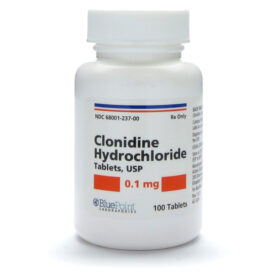
Clonidine Hydrochloride 0.1mg
Price range: €90 through €360
Select options
This product has multiple variants. The options may be chosen on the product page


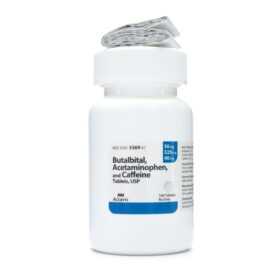
Butalbital Acetaminophen
Price range: €30 through €90
Select options
This product has multiple variants. The options may be chosen on the product page
 English
 German
 Dutch
 Polish
 Portuguese
Reviews
There are no reviews yet.