
- Your cart is empty
- Continue Shopping

Product

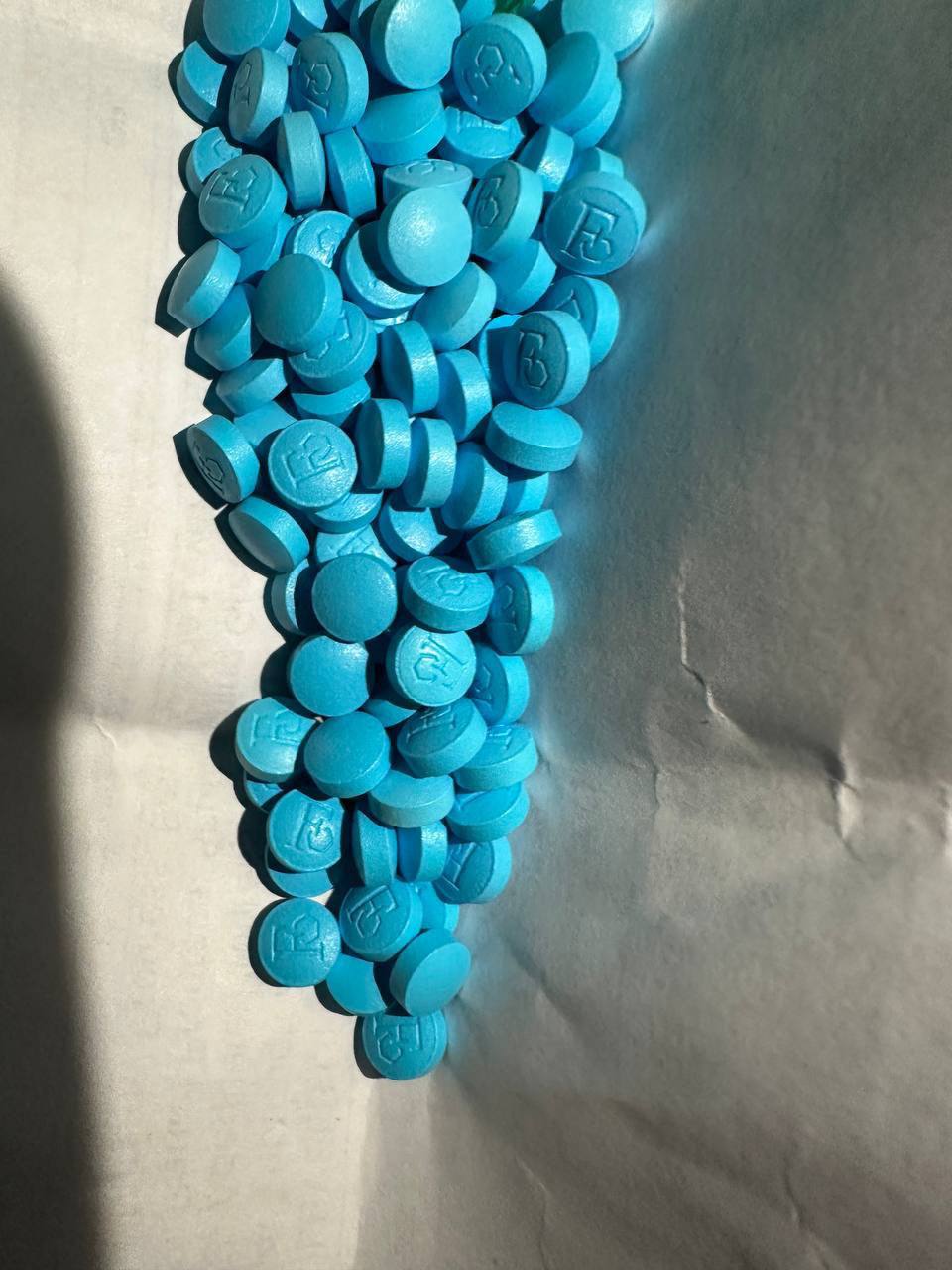
Faroxy 30mg
Faroxy 30mg
Price range: €145 through €1,500
Quantity
Choose an option
Add to cart
Buy Now
Faroxy 30mg
Faroxy 30mg is a high-potency oral formulation of oxycodone hydrochloride, a semi-synthetic opioid agonist derived from the opium alkaloid thebaine. Classified as a Schedule II controlled substance, Faroxy 30mg is indicated for the management of severe pain in adults requiring round-the-clock opioid analgesia where alternative non-opioid or combination therapies are inadequate or un-tolerated. As a single-entity, high-strength opioid tablet, its clinical application demands precise titration and rigorous patient monitoring to balance therapeutic efficacy with systemic safety.
Primary Clinical Indications
-
Management of Severe Acute Pain: Prescribed for short-term control of severe pain following major surgical operations, severe physical trauma, or acute orthopedic interventions.
-
Oncology & Palliative Pain Protocols: Utilized in round-the-clock analgesic regimens to control continuous, intractable pain associated with advanced malignancy.
-
Opioid-Tolerant Pain Management: Applied in specialized pain protocols for patients who have built physiological tolerance to lower-dose opioids and require higher-potency central analgesia.
Pharmacological Mechanism of Action
Faroxy 30mg produces analgesia by binding to central nervous system receptors and interrupting ascending pain transmission:
$$\text{Oxycodone} + \mu\text{-Opioid Receptors} \longrightarrow \begin{cases} \text{Presynaptic: } \downarrow \text{Ca}^{2+} \text{ Influx} \longrightarrow \downarrow \text{Substance P / Glutamate} \\ \text{Postsynaptic: } \uparrow \text{K}^+ \text{ Efflux} \longrightarrow \text{Neuronal Membrane Hyperpolarization} \end{cases}$$
-
Selective Agonism: Oxycodone acts as a full agonist primarily at central $\mu$-opioid receptors, with secondary activity at $\kappa$-opioid receptors in the brain stem and spinal cord.
-
Signal Cascade Inhibition: Receptor activation uncouples $G_i/G_o$ proteins, inhibiting adenylyl cyclase, reducing intracellular cyclic AMP ($\text{cAMP}$), blocking presynaptic calcium channels, and opening postsynaptic potassium channels to hyperpolarize neuronal membranes.
-
Pharmacokinetics: Rapidly absorbed via the GI tract, reaching peak plasma concentration ($T_{\max}$) within 1 to 2 hours. It undergoes hepatic metabolism via $CYP3A4$ (to noroxycodone) and $CYP2D6$ (to oxymorphone), featuring an elimination half-life of 3.5 to 4 hours.
Clinical Advantages vs. Disadvantages
Advantages
-
Acetaminophen-Free Formulation: Contains single-entity oxycodone without secondary antipyretics, eliminating the risk of acetaminophen-induced hepatotoxicity during high-dose titration.
-
Rapid & Predictable Onset: Provides reliable, high-level analgesia within 15 to 30 minutes of oral administration for acute pain control.
-
Flexible Dosing for Tolerance: Allows precise dosage adjustments for opioid-tolerant individuals who require robust pain relief.
Disadvantages
-
High Abuse & Misuse Potential: Carries significant risks of physical dependence, tolerance, addiction, and diversion.
-
Narrow Therapeutic Window: High single-tablet potency increases the risk of accidental overdose if ingested by non-tolerant or opioid-naïve individuals.
-
Systemic Side Effect Profile: Frequently causes central nervous system depression, bowel motility suppression, and sedation.
Side Effects Profile & Clinical Warnings
| Severity Category | Common Clinical Manifestations |
| Common / Mild | Nausea, constipation, somnolence, dizziness, dry mouth, pruritus, and excessive sweating. |
| Severe / Adverse | Severe hypotension, bradycardia, chest pain, confusion, bowel obstruction (paralytic ileus), or seizures. |
| Critical Warnings | Black Box Warning: Severe risk of fatal respiratory depression, abuse, and addiction. Concomitant use with benzodiazepines, alcohol, or other CNS depressants greatly increases the risk of coma and death. |
Additional Information
| Quantity | 5ct, 20ct, 50ct |
|---|
Related products
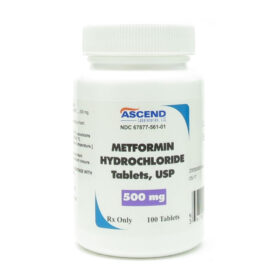
Metformin 500mg
€1,500
Select options
This product has multiple variants. The options may be chosen on the product page
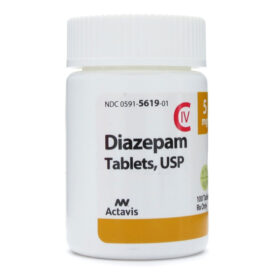
Diazepam 10mg Tablets
Price range: €95 through €600
Select options
This product has multiple variants. The options may be chosen on the product page
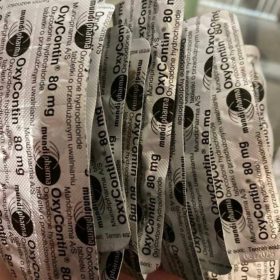
Oxycontin 80mg
Price range: €250 through €730
Select options
This product has multiple variants. The options may be chosen on the product page
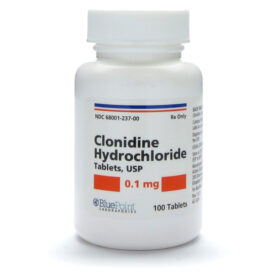
Clonidine Hydrochloride 0.1mg
Price range: €90 through €360
Select options
This product has multiple variants. The options may be chosen on the product page
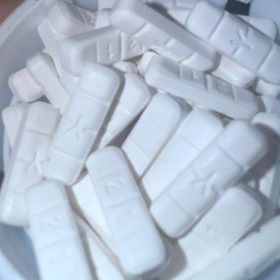
Y21 Xanax
Price range: €80 through €300
Select options
This product has multiple variants. The options may be chosen on the product page
 English
 German
 Dutch
 Polish
 Portuguese
Reviews
There are no reviews yet.