
- Your cart is empty
- Continue Shopping



Product

Dexedrine 5mg
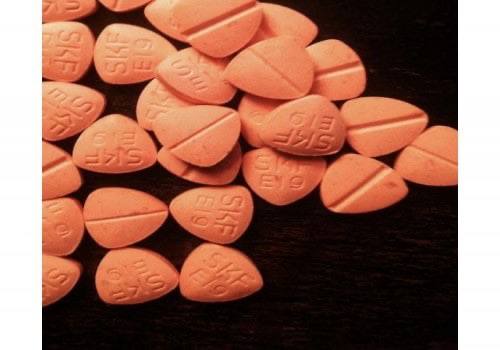
Dexedrine 5mg
Price range: €290 through €750
Quantity
Choose an option
Add to cart
Buy Now
Dexedrine 5mg
Dexedrine 5mg is a central nervous system (CNS) stimulant containing dextroamphetamine sulfate, the dextrorotatory isomer of amphetamine. Classified as a Schedule II controlled substance, Dexedrine 5mg is indicated for the clinical management of Attention Deficit Hyperactivity Disorder (ADHD) in pediatric and adult populations, as well as for the treatment of narcolepsy. By enhancing central catecholaminergic transmission, it improves attention span, impulse control, executive function, and daytime wakefulness under strict medical oversight.
Primary Clinical Indications
-
Attention Deficit Hyperactivity Disorder (ADHD): Indicated as an integral component of a total treatment program to increase focus, decrease distractibility, and reduce motor hyperactivity.
-
Narcolepsy Management: Prescribed to relieve excessive daytime sleepiness, prevent sudden sleep attacks, and improve overall daytime alertness.
-
Refractory Executive Dysfunction: Utilized when lower-potency agents or non-stimulant therapies fail to achieve adequate clinical control of cognitive deficits.
Pharmacological Mechanism of Action
Dexedrine 5mg exerts its stimulant effects primarily by increasing synaptic levels of dopamine and norepinephrine in the prefrontal cortex and striatum:
$$\text{Dextroamphetamine} + \text{VMAT2 / DAT / NET} \longrightarrow \uparrow [\text{Dopamine} \ \& \ \text{Norepinephrine}]_{\text{Synaptic}} \longrightarrow \uparrow \text{Cortical Signaling}$$
-
Reuptake Inhibition & Reverse Transport: Dextroamphetamine competitively inhibits presynaptic dopamine transporters ($\text{DAT}$) and norepinephrine transporters ($\text{NET}$). It enters presynaptic neurons and disrupts vesicular monoamine transporter 2 ($\text{VMAT2}$), increasing cytosolic catecholamine pools.
-
Efflux Induction: Elevated cytosolic levels cause $\text{DAT}$ and $\text{NET}$ to reverse direction, pumping dopamine and norepinephrine directly into the synaptic cleft.
-
Pharmacokinetics: Rapidly absorbed from the GI tract, reaching peak plasma concentration ($T_{\max}$) within 2 to 3 hours. It undergoes hepatic metabolism via $CYP2D6$ and deamination, with an elimination half-life ranging from 10 to 12 hours.
Clinical Advantages vs. Disadvantages
Advantages
-
High Isomer Potency: Contains pure dextroamphetamine, which exhibits stronger central nervous system and dopaminergic activity compared to levoamphetamine isomers.
-
Immediate-Release Flexibility: Allows precise titration and flexible dosing schedules throughout the day.
-
Proven Long-Term Efficacy: Established clinical efficacy profile in improving core ADHD symptoms and daytime sleepiness.
Disadvantages
-
High Abuse & Misuse Potential: Significant risk of psychological dependence, tolerance, addiction, and non-medical diversion.
-
Cardiovascular Strain: Increases heart rate and blood pressure, requiring ongoing monitoring.
-
Appetite & Growth Suppression: Frequently causes appetite loss, which can lead to weight loss or altered growth velocity in pediatric patients.
Side Effects Profile & Safety Warnings
| Severity Category | Common Clinical Manifestations |
| Common / Mild | Insomnia, anorexia, dry mouth, abdominal pain, tachycardia, restlessness, and anxiety. |
| Severe / Adverse | Psychotic or manic symptoms (hallucinations, delusions), severe hypertension, or peripheral vasculopathy (Raynaud’s phenomenon). |
| Critical Warnings | Black Box Warning: High potential for abuse and dependence. Risk of sudden cardiac death in patients with pre-existing structural heart defects or cardiac abnormalities. |
Additional Information
| Quantity | 100 Tabs, 200 Tabs, 500 Tabs |
|---|
Related products
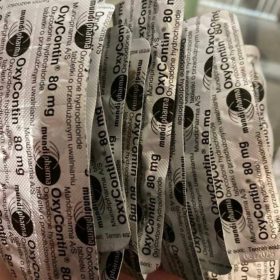
Oxycontin 80mg
Price range: €250 through €730
Select options
This product has multiple variants. The options may be chosen on the product page
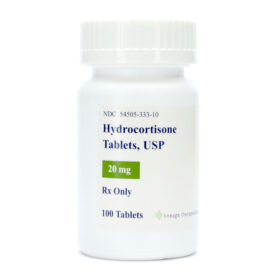
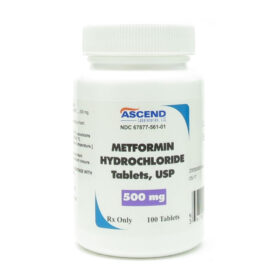
Metformin 500mg Tablets
Price range: €150 through €500
Select options
This product has multiple variants. The options may be chosen on the product page
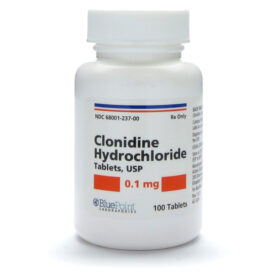
Clonidine Hydrochloride 0.1mg
Price range: €90 through €360
Select options
This product has multiple variants. The options may be chosen on the product page
 English
 German
 Dutch
 Polish
 Portuguese
Reviews
There are no reviews yet.