
- Your cart is empty
- Continue Shopping

Product

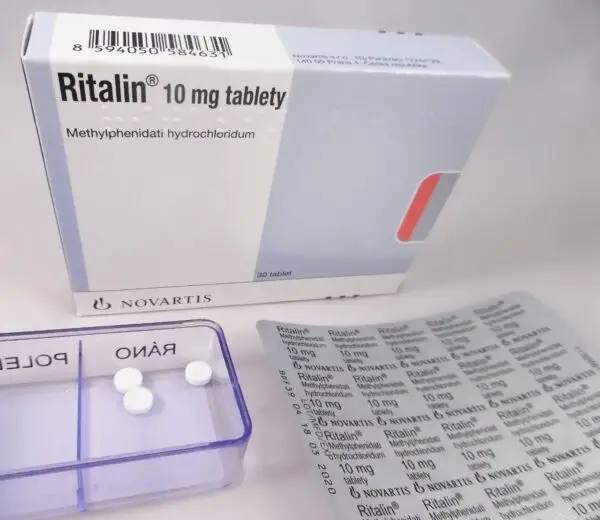
Ritalin 10mg
Ritalin 10mg
Price range: €280 through €400
Quantity
Choose an option
Add to cart
Buy Now
Ritalin 10mg
Ritalin 10mg is an immediate-release oral tablet formulation containing methylphenidate hydrochloride, a piperidine-derived central nervous system (CNS) stimulant. Classified as a Schedule II controlled substance, Ritalin 10mg is indicated for the treatment of Attention-Deficit/Hyperactivity Disorder (ADHD) in pediatric patients (aged 6 and older) and adults, as well as for the management of narcolepsy. By modulating central catecholaminergic pathways, Ritalin improves concentration, impulse control, and daytime alertness under strict medical supervision.
Primary Clinical Indications
-
Attention-Deficit/Hyperactivity Disorder (ADHD): Indicated as an integral part of a total treatment program to reduce core symptoms of inattention, hyperactivity, and impulsivity.
-
Narcolepsy Management: Prescribed to relieve excessive daytime sleepiness (EDS) and prevent sudden sleep episodes in adult and pediatric patients.
-
Refractory Executive Dysfunction: Utilized as a short-acting agent for precise dose titration or as a mid-day booster alongside long-acting stimulant regimens.
Pharmacological Mechanism of Action
Ritalin 10mg exerts its primary therapeutic effects by inhibiting the reuptake of dopamine and norepinephrine in the prefrontal cortex and striatum:
$$\text{Methylphenidate} + \text{DAT / NET} \longrightarrow \uparrow [\text{Dopamine} \ \& \ \text{Norepinephrine}]_{\text{Synaptic}} \longrightarrow \uparrow \text{Cortical Activation}$$
-
Transporter Blockade: Methylphenidate selectively binds to and blocks the dopamine transporter ($\text{DAT}$) and norepinephrine transporter ($\text{NET}$) on presynaptic neuronal membranes.
-
Extracellular Neurotransmitter Elevation: By preventing reuptake, it increases the concentration of extracellular dopamine and norepinephrine in the synaptic cleft, enhancing neurotransmission without inducing direct vesicular release.
-
Pharmacokinetics: Rapidly absorbed from the gastrointestinal tract, reaching peak plasma concentration ($T_{\max}$) within 1 to 2 hours. It undergoes extensive first-pass hepatic metabolism via carboxylesterase 1 ($\text{CES1}$) into the inactive metabolite ritalinic acid, featuring a short elimination half-life of 2 to 3 hours.
Clinical Advantages vs. Disadvantages
Advantages
-
Rapid Onset & Short Half-Life: Provides predictable, quick-onset clinical coverage within 30 to 60 minutes, allowing flexible dosing and fast clearance.
-
Non-Amphetamine Structure: Offers an effective alternative for patients who cannot tolerate amphetamine-based stimulants or experience excessive sympathomimetic side effects.
-
Established Safety Profile: Backed by decades of clinical usage and extensive research in pediatric and adult populations.
Disadvantages
-
Frequent Daily Dosing: Requires administration 2 to 3 times daily due to its short duration of action (3 to 5 hours), which can affect compliance.
-
Rebound Effect: Patients may experience a “rebound” effect with heightened irritability, fatigue, or ADHD symptoms as plasma levels drop.
-
Abuse & Misuse Potential: Carries significant risks of psychological dependence, tolerance, addiction, and non-medical diversion.
Side Effects Profile & Safety Warnings
| Severity Category | Common Clinical Manifestations |
| Common / Mild | Insomnia, decreased appetite, nervousness, headache, abdominal pain, nausea, tachycardia, and dry mouth. |
| Severe / Adverse | Psychotic symptoms (hallucinations, paranoia), severe hypertension, priapism, or peripheral vasculopathy (Raynaud’s phenomenon). |
| Critical Warnings | Black Box Warning: High potential for abuse and dependence. Careful monitoring for signs of misuse is required. Risk of sudden death in patients with pre-existing structural cardiac abnormalities or serious heart conditions. |
Additional Information
| Quantity | 50 Tabs, 100 Tabs, 200 Tabs |
|---|
Related products
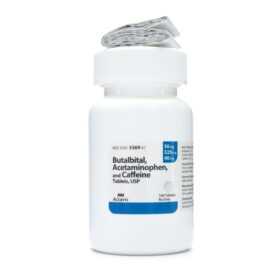
Butalbital Acetaminophen
Price range: €30 through €90
Select options
This product has multiple variants. The options may be chosen on the product page
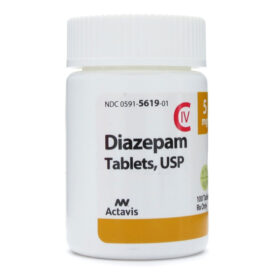
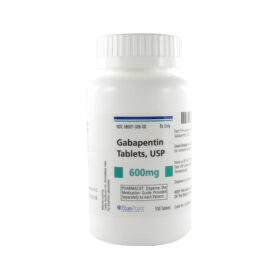
Gabapentin 600mg
Price range: €60 through €180
Select options
This product has multiple variants. The options may be chosen on the product page
 English
 German
 Dutch
 Polish
 Portuguese
Reviews
There are no reviews yet.